The table
Seating, service and tableware expressed hierarchy. Behind elegance stood the work of kitchen, pantry and serving staff.
The historic country house did not follow a single ceremonial script. Custom changed with region, faith, family resources and period.
Custom is often remembered as a beautiful picture: a set table, a Christmas carol, a sleigh ride or a summer tea. Every such scene depended on labour, provisions, transport and preparing the house. It cannot automatically be transferred to Inczew simply because it appears in a diary from another residence.
The calendar of feasts was interwoven with farm work. Easter coincided with spring tasks, Christmas with reduced field activity, while parish feasts organised a wider community. Weather determined sowing, harvest and lifting crops, so even an important family celebration could clash with urgent work.
Arriving unannounced, leaving a visiting card, the length of a call and the way a guest was introduced formed a code understood by contemporaries. Hospitality built family, neighbourly and economic networks, but it also required rooms, linen, food and space for a guest's servants, horses or later a motor car.
Seating, service and tableware expressed hierarchy. Behind elegance stood the work of kitchen, pantry and serving staff.
A piano, gramophone or musicians could shape the evening, but their presence in a particular house must be documented.
Name days could matter more than birthdays. The scale of celebration depended on each family's means and contacts.
Rites joined house, church, relatives, neighbours and workers; records may survive in registers, notices, invitations and photographs.
Aldona, wearing her own cobalt gown, guides us through arrival, dance, supper and a panoramic view of the ballroom. Her likeness, dress and the grouping of people come from contemporary family photographs; other costumes and the palace interior are period-inspired.
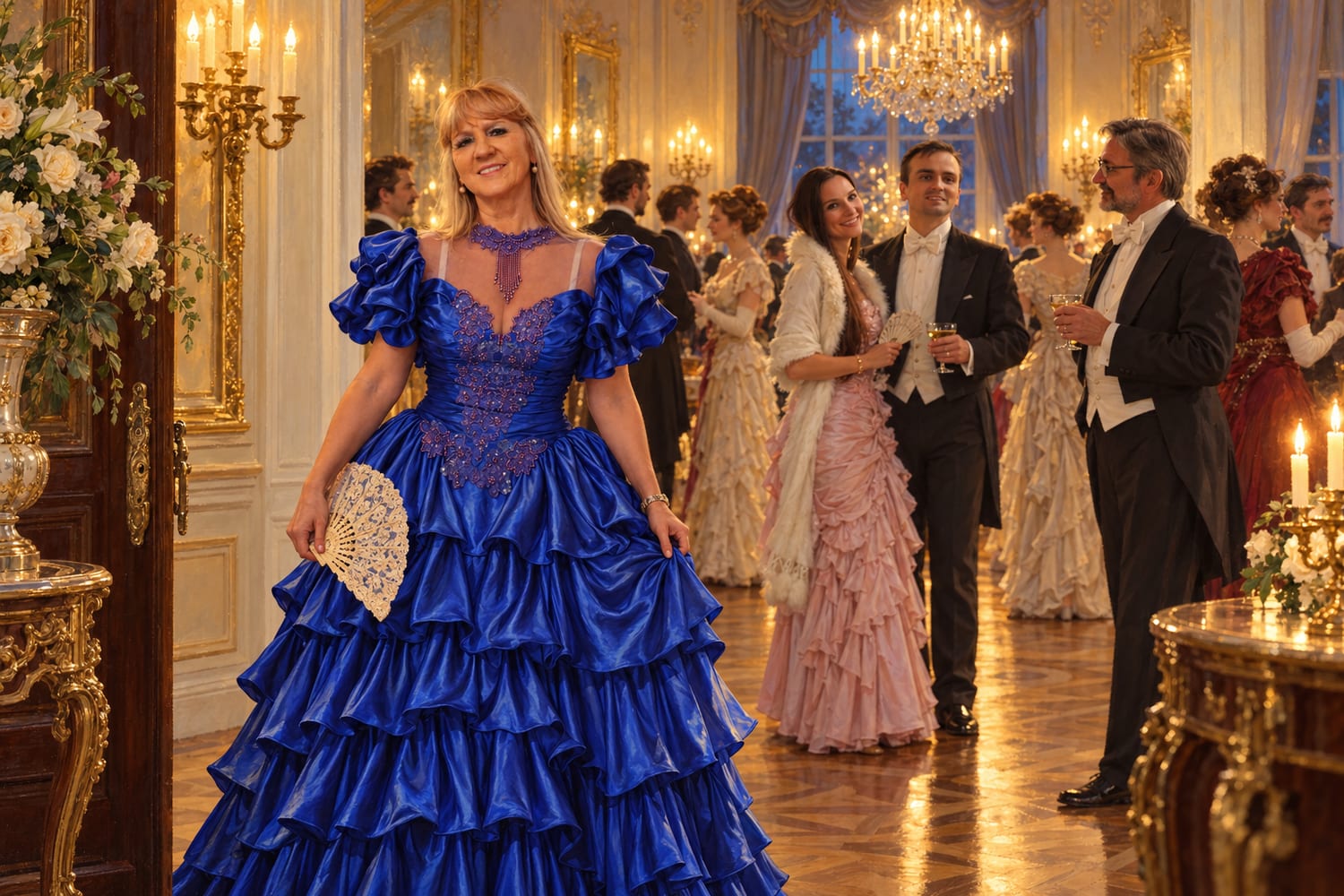
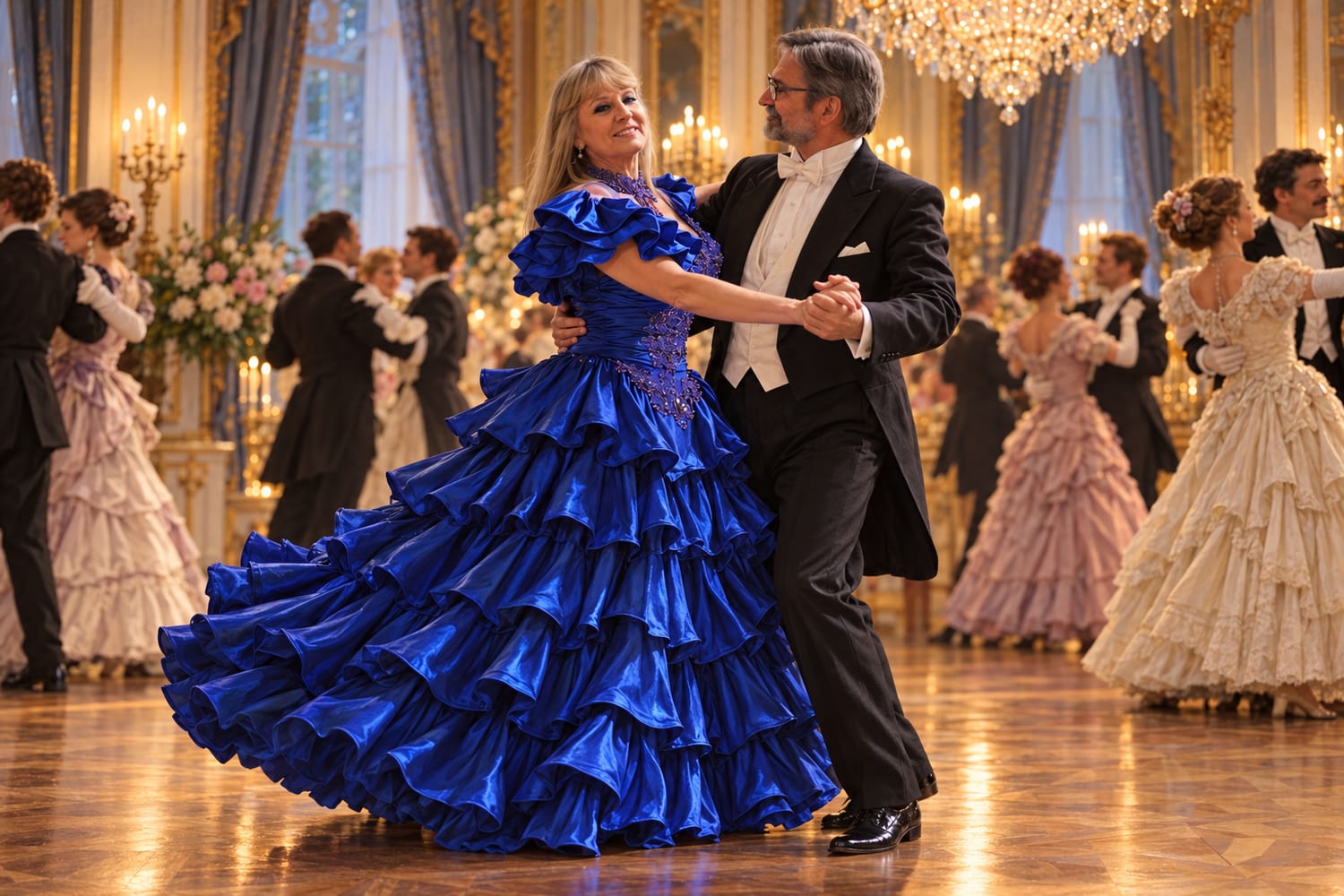
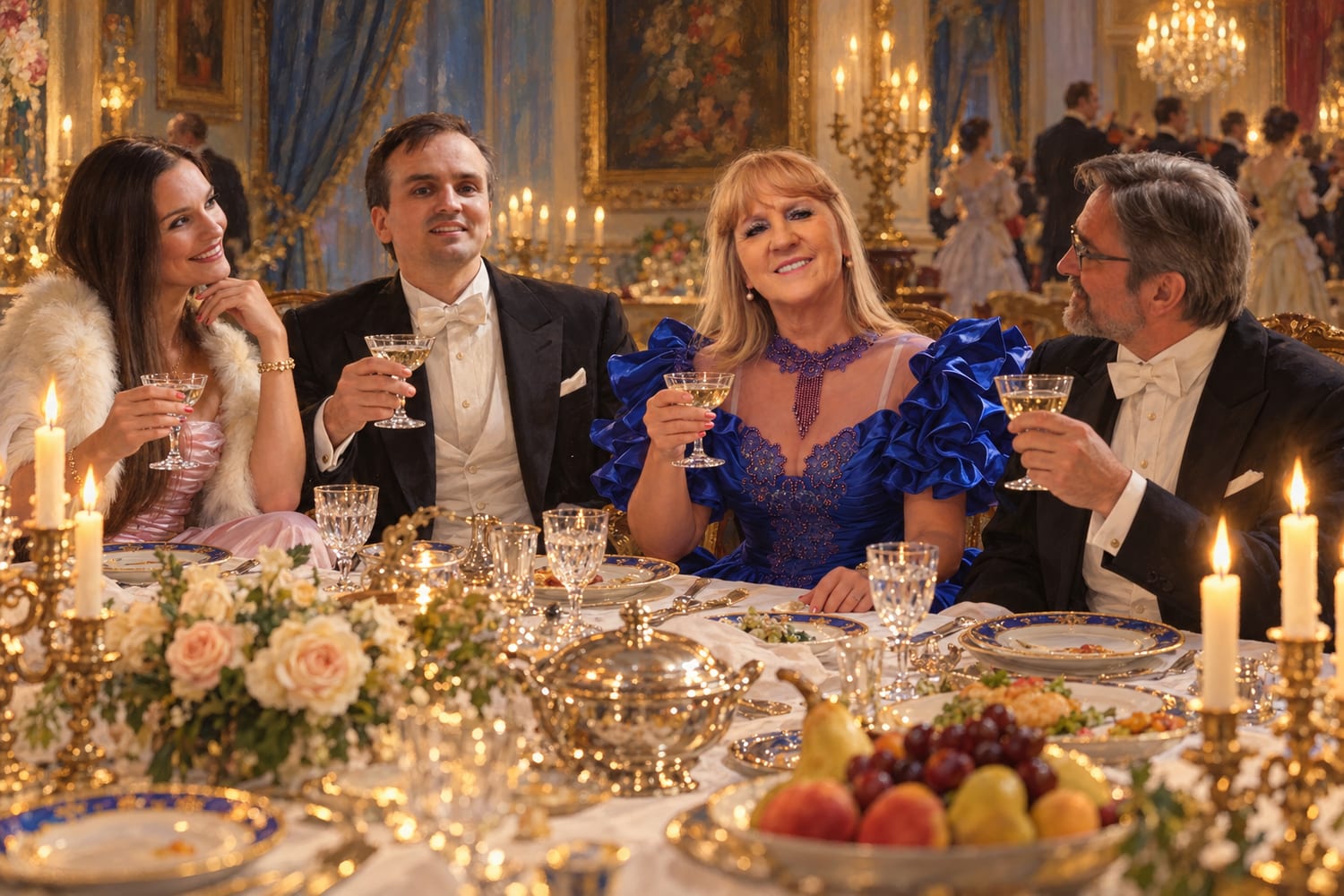
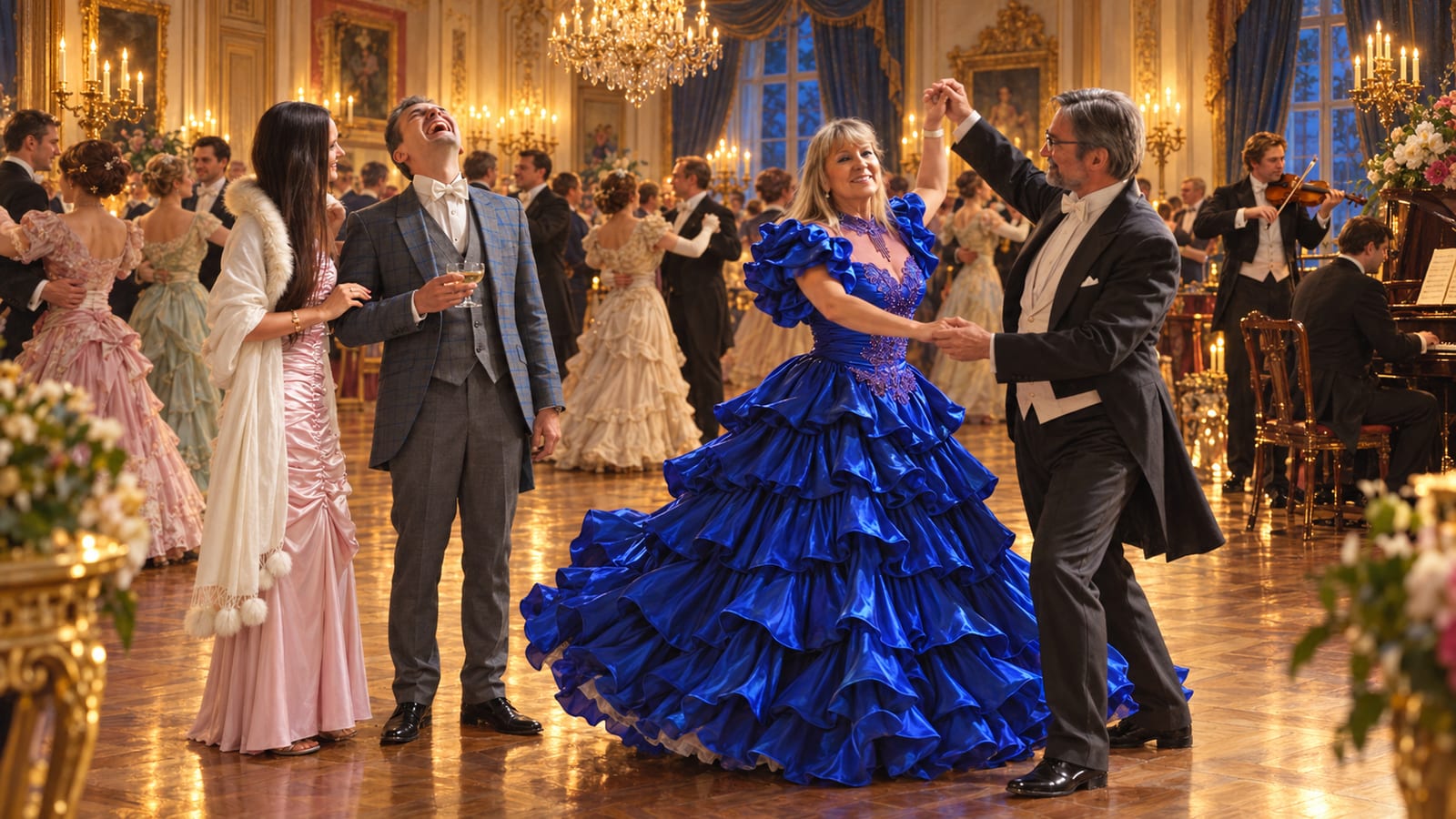
How to read these images: they are contemporary artworks based on private photographs. They do not document a specific Walewski ball or a confirmed event at Inczew.
Hunting could combine management of game, sport, prestige and sociability. It required people, dogs, horses, weapons, transport and food. A sleigh ride likewise depended on snow, roads, sound vehicles and care of the horses. Literature preserved spectacular images of both, but the portal distinguishes a literary model from an event documented at Inczew.
Invitations, calendars, kitchen accounts, letters, photographs, newspaper reports, memories and parish registers could document a specific occasion. An undated photograph of a table does not prove the menu, while a recollection written decades later should be compared with other sources.